
One Battle After Another
Air pollution, vector diseases, stray animals. The environmental maladies of Indian cities may be part of the same story.

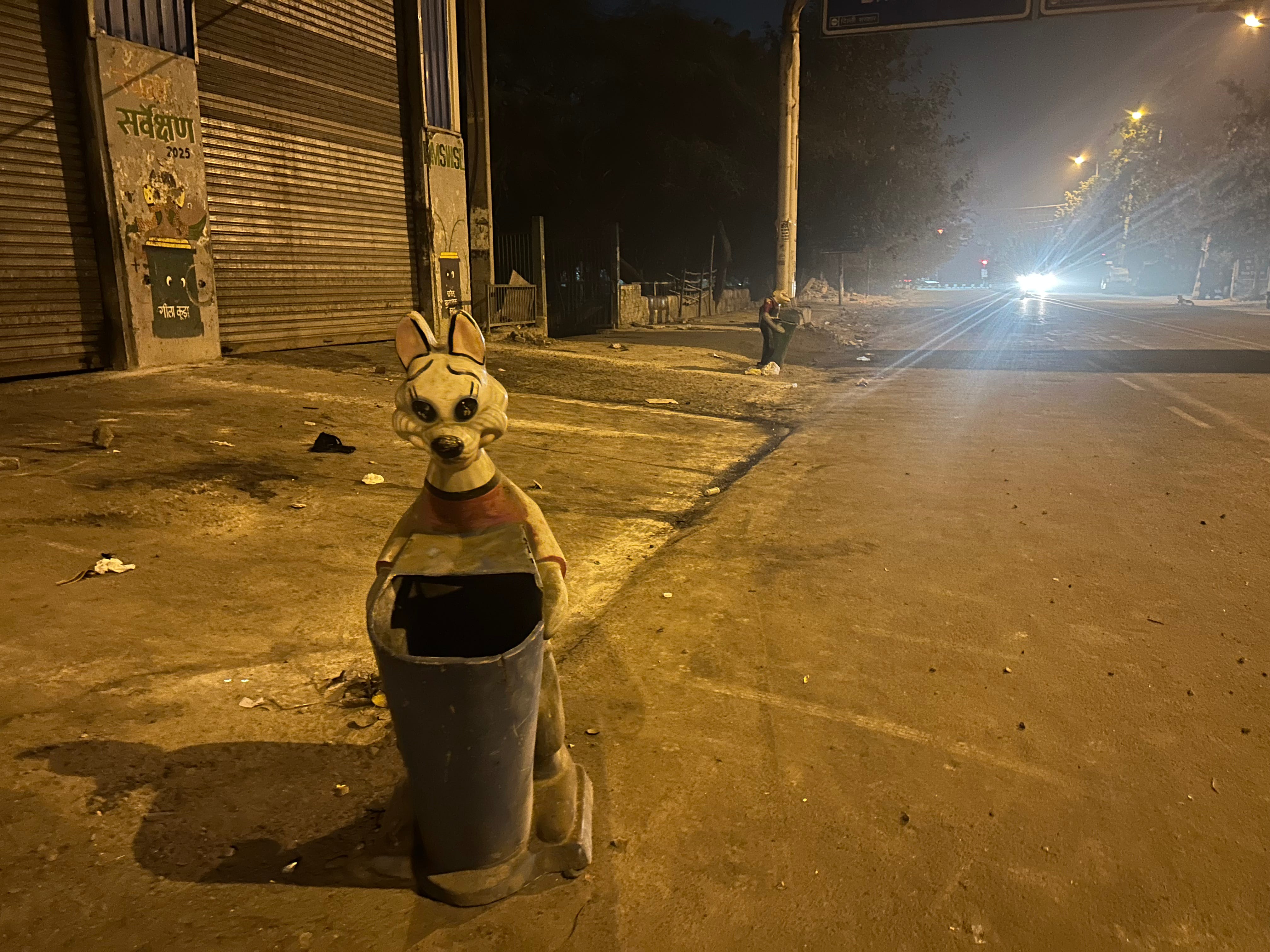
Every year towards Christmas, I return to Delhi for the winter break. With each arrival comes a mandatory reorientation of the senses. After months away, thresholds have shifted, and you carry markedly different ideas about personal as well as environmental hygiene. When I was younger and growing up in the city, friends who were not from Delhi often spoke about the sensory shifts they experienced when travelling from their smaller towns and villages. This is much more understandable now, since India's small towns and countryside did not yet have formidable built environments, nor were they periled by air pollution as much as they are today.
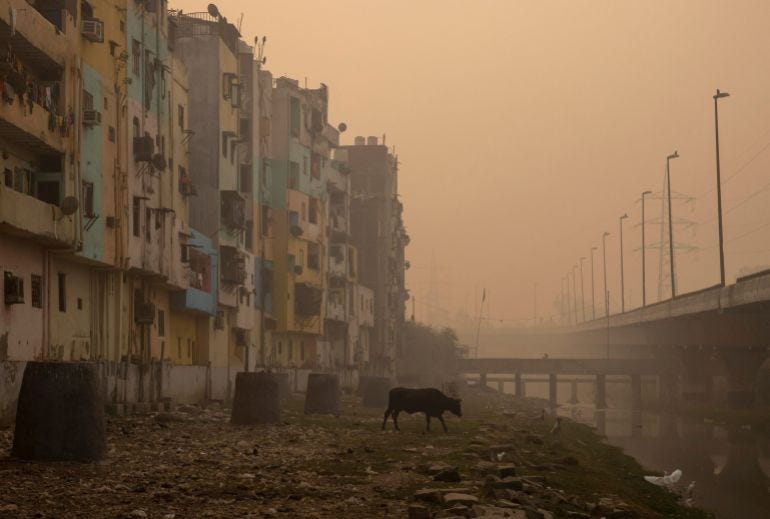
Adjustment to the air is usually the first sensory shift that takes place as the plane descends over the Indo-Gangetic plain. Delhi and the surrounding regions look distinctly grim (although since all major Indian cities have an Air Quality Index of above 50, no city would look particularly beautiful from the sky). Stubble burning from the farmlands surrounding Delhi was no longer the dominant source of pollution at this time of year, and the ban on diesel vehicles was already in place. Yet, as soon as I left the airport to get a taxi, I could both see and smell the air pollution. When I found my taxi and sat inside, I discovered that the window was stuck, so I pulled my N95 mask (this practice that came instinctively in the moment would later decline due to fatigue). Although I was prepared for the pollution, I was not quite equipped for the mosquitoes that bit me above my ankles as I sat in the taxi. Mosquitoes were bothering my mother at home in Northwest Delhi too, even as she tried the three-pronged formula of mosquito rackets, air repellent, and skin cream repellent. To bring the point home, once I arrived at my mother’s apartment and tried to drag my luggage inside, stray dogs, startled by my unfamiliar presence, barked in the dead of night. Within the first hour in Delhi, I was already coming across a litany of problems. It felt like a comedy of errors, the way I had to confront these problems after having my guard down while being abroad. Later, a pattern emerged to me.
Ambient Hazards
Air pollution, mosquitos, and the presence of stray dogs can be understood as diffuse ambient hazards. These are environmental risks that are spatially dispersed and stacked in layers across Indian cities. Issues like these have persisted for decades, so much so that they may now be considered intractable. The intractability of these diffuse ambient hazards is maintained by two important factors. First, since they are not confined to a single site or event, they are hard to contain within administrative boundaries and therefore harder to address. Second, they are hard to nip in the bud, as "solutions" to these hazards have not yet been afforded the efficiency of implementation that governance systems can appropriately apply.
India's municipalities operate under a system of fiscal dependence that structurally limits their capacity to respond to local hazards. Since the 74th Constitutional Amendment in 1992, urban local bodies, which were meant to gain functional autonomy and fiscal powers, remain heavily reliant on state government transfers for revenue. They also have minimal independent taxing authority and hence cannot raise their own revenues. Indian local governments account for just 3% of total public expenditure, compared with an estimated 50% in China and 15-20% in the United States. Municipal budgets are fragmented across vertical programs and centrally sponsored schemes with rigid spending categories, leaving little room for discretionary action on urgent local needs. The Fifteenth and Sixteenth Finance Comission have noted gaps in devolution: states are meant to pass on a share of funds to urban bodies, but actual transfers are delayed, conditional, or tied to narrow mandates that don't align with the realities on the ground. The contemporary governance structure results in municipalities being closest to the problem but furthest from the resources and authority needed to solve it.
Let’s consider how governance systems reckon with the multifaceted and intractable issue of air pollution. Politically popular (as much as they may be controversial) interventions may include curbs on firecrackers, diesel cars or stubble burning in nearby farmlands. However, sources of pollution remain diverse and almost equally formidable. These include construction dust, vehicular pollution, waste burning, and household pollution. A wide range of policy levers, therefore, must be applied. But vehicle emissions fall under transport departments, industrial pollution under state pollution control boards, construction dust under urban development authorities, and waste burning under municipal corporations. A city corporation might receive funds for mechanical road sweepers or tree planting, but lacks the authority to regulate the industries emitting particulates on its periphery, or the budget to overhaul the waste management system that drives open burning.
I recently asked Yale environmental historian Sunil Amrith about these diffuse ambient hazards and their respective governance mismatches. He pointed me to his earliest work on disease control in India in the 1940-50s. In archival records from the Ministry of Public Health and the World Health Organization addressing the issue of malaria, officials were "constantly complaining that administrative structures are not well suited to the scale of vector-borne disease." Seven decades later, the same governance challenges persist. The scale at which hazards operate continues to exceed the scale at which authority and finance are organized. Administrative responsibilities remain segmented across departments. Expenditure lines may exist, but are fragmented. Mandates are also dispersed; and accountability is correspondingly diluted.
Urban governance researcher Mukta Naik also provided me a similar frame. “The problem is not that nothing is being done,” she told me, “but that power does not sit where the problem sits.” Hazards are experienced at the level of the neighbourhood, the household, the body. “What we call climate or environmental failure,” Naik added, “is often just basic services being pushed back onto households.”

Dog Days Are Over?
Let’s now consider the problem of stray dogs in Delhi. Although many mammals are carriers of rabies, dogs are known to be the carriers in 99% of transmission cases. Rabies is nearly always fatal once symptomatic, and results in extremely painful deaths due to progressive encephalitis. Over 20,000 Indians die every year from the rabies virus which is typically preventable by vaccines post-exposure. While the rural burden of rabies remains higher due to weaker healthcare systems, the urban problem of stray dogs persists because of food availability from poorly managed solid waste, high human–dog contact in dense neighborhoods, and low, and sometimes non-existent coverage of sterilization and vaccination.
There has been no comprehensive census of free-ranging dogs in Delhi, but independent estimates have placed the population in the range of roughly 1 million dogs. The Supreme Court of India last year took suo motu notice of the rising dog-bite incidents and rabies in the city, and issued a directive to civic authorities to remove dogs from the streets and relocate them to shelters within eight weeks. After significant backlash from animal welfare groups, the Court stayed the initial order, acknowledging that keeping dogs permanently in shelters wasn’t practicable given shelter infrastructure limits. It directed that dogs be sterilized, immunized and released back instead.
In the stalemate between the court and animal welfare groups, it seemed odd that municipal authorities had only a passive role to play in deciding policy. In public interest litigation of this kind, municipal corporations are typically made respondents. They are served notices and are required to file affidavits detailing current efforts and resource constraints, and summoned for hearings when compliance is questioned. But since their role is largely reactive, they respond to judicial directions rather than shape them, and their submissions (often citing budget shortfalls, staffing gaps, or jurisdictional confusion) could potentially influence the court’s timeline or expectations.
The Court can issue directions, demand affidavits, and threaten contempt, but it cannot conjure municipal capacity. Epidemiological models suggest that 70% of Delhi’s stray dogs will have to be sterilized to control the rapidly increasing population. Data shows that Delhi has not sterilized more than 100,000 dogs in any given year. Even if modest finances and capacity are pumped into addressing the problem, it is likely to persist for the coming decades.
Costs of Inaction
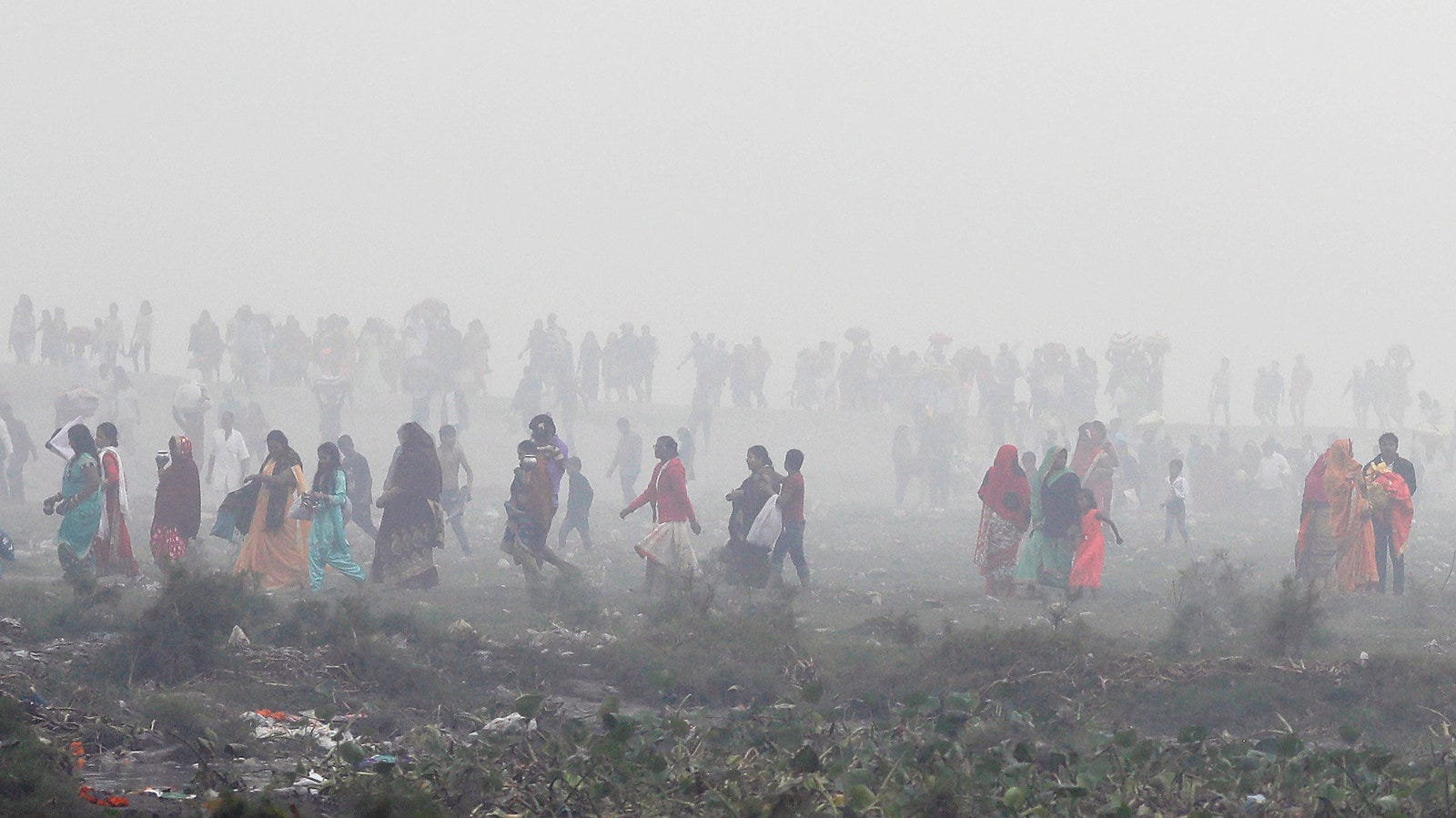
In Davos earlier this year, Harvard economist and former IMF chief economist Gita Gopinath dismissed India’s anxiety over US tariffs and pointed instead to air pollution as the pressing drag on growth. Clean air, she suggested, was not an environmental luxury but a macroeconomic input. Without it, investment, human capital formation and long-term growth suffer. While nationalistic critics attacked her for maligning India’s image, some others criticized her methodology. They said that it is problematic to link pollution reduction solely to economic growth when GDP itself is blind to environmental degradation. The metric does not subtract the costs of air pollution, rather it double-counts them. A polluting factory's production adds to GDP, as do the cleanup activities and healthcare costs that result from that pollution.
Regardless, the costs of air pollution are well researched. Data and political challenges hinder a comprehensive outlook, but the World Bank’s global estimates suggest that 5 to 8 percent of the global GDP can be the cost of air pollution once premature mortality, lost labor income, and health expenditures are accounted for. A 2024 study at Harvard’s T.H. Chan School of Public Health estimated that air pollution contributes to 1.5 million premature deaths annually in India, making it one of the largest public health risks. In adults, long-term exposure increases the risk of cardiovascular disease, stroke, chronic obstructive pulmonary disease, and lung cancer—each of which reduces working years and raises household medical spending. In children and adolescents, exposure to high levels of particulate matter is associated with reduced cognitive performance, affecting memory, attention, and test scores. Emerging research shows air pollution also shortens life expectancy in northern India by an average of 10 years.
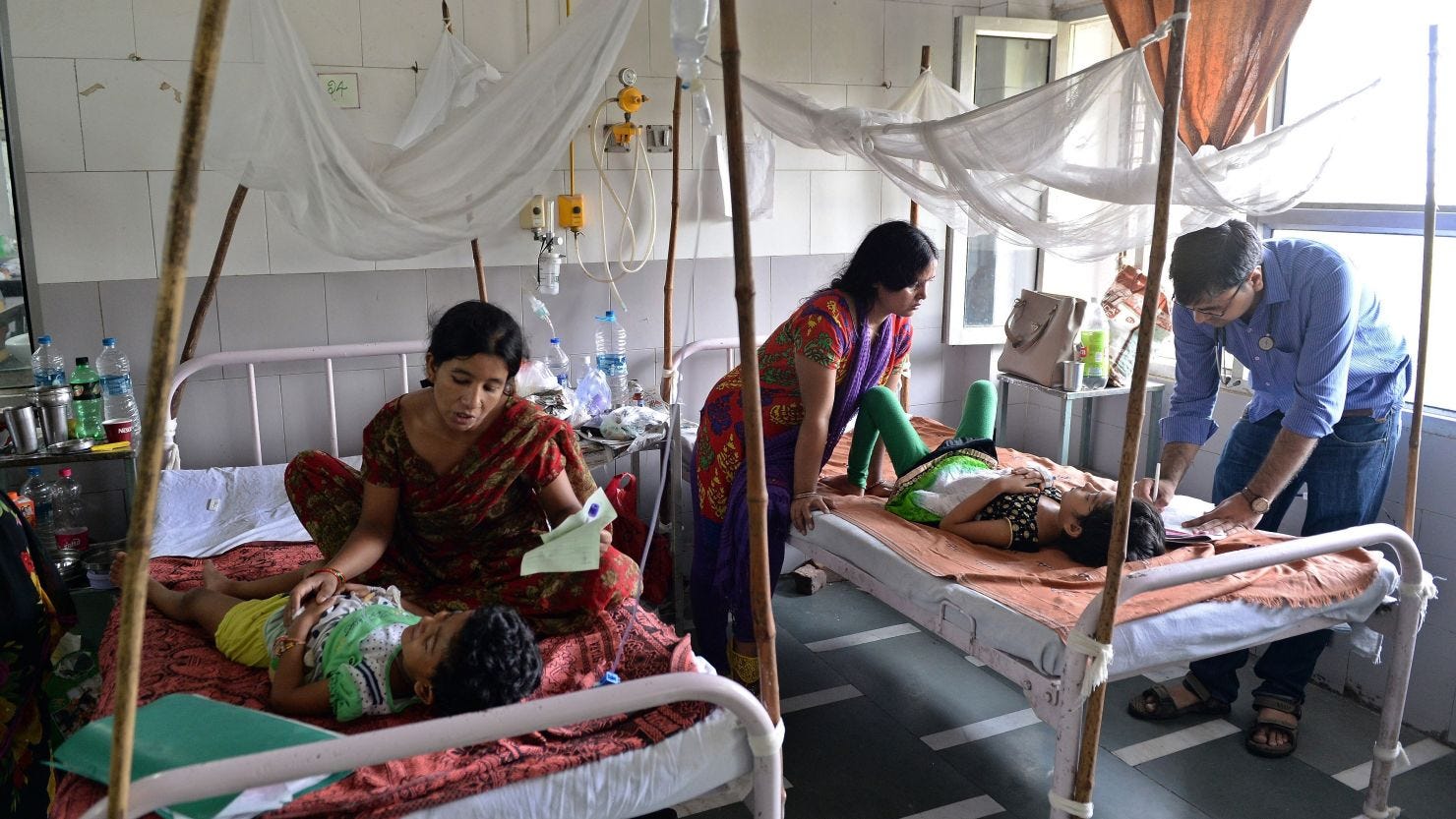
What we do not understand, and what matters most for public health, is how these costs are distributed. Systematic work tracing how economic losses from environmental failures move between firms, governments, and households remains scarce. Does lost productivity show up as lower wages for workers, or reduced profits for firms? When a family seeks treatment for pollution-related illness, does the state absorb the cost through public hospitals, or does the household pay out of pocket? When municipalities fail to control mosquito populations, who bears the expense of dengue treatment? When sterilization programs for stray dogs fall short, who pays for rabies prophylaxis?
In the absence of economy-wide data and estimates, the suspicion, of course, is that most costs are externalized to people, and within that group, distributed profoundly unequally. The elite can opt out, at least partially, through air purifiers, private vehicles with cabin filters, homes in less polluted neighborhoods, private hospitals for pollution-related treatment and gated colonies. The poor often cannot. They live closer to pollution sources, work outdoors, rely on overwhelmed public hospitals, and share streets with hazards without the option of private security.
Failures and Retreat
In standard welfare economics, the state exists to provide public goods that are characterized by non-excludability (it is prohibitively costly to prevent anyone from consuming them) and non-rivalry (one person's consumption does not diminish another's). Clean air is the canonical example, though economists differ on what constitutes state-provided, essential public health infrastructure. The optimal division of responsibility between state and market is contested. Some favor maximal market provision where feasible, others emphasize the state's distributive and stabilizing functions. But there is broader consensus on one point: markets, left to themselves, tend to underprovide public goods because individual firms cannot capture the full social benefit of supplying them. This is the classic market failure that justifies state intervention.
Yet market failure has a corollary that receives less attention: state failure. When the state fails to provide a public good, markets often step in, not to supply the good collectively, but to sell private substitutes. A few months ago, I spoke with Shouro Dasgupta, an Italy-based environmental economist. He pointed to me that the billion-dollar markets developing countries now host for air purifiers, mosquito repellents, and private health services can be viewed as evidence of state failure. The expanding trade in air purifiers, cooling devices, and private vector control is often framed as consumer choice or technological adaptation. But these markets are better read as evidence of abandonment. Each purchase represents a problem the state has declined to solve collectively and households have been left to manage individually.
Political economists often talk about the Lauderdale Paradox, which says that private riches and public wealth move in opposite directions. Consider transportation: a well-developed public transportation system makes mobility affordable and inclusive, reduces pollution, and improves quality of life. But it reduces consumption of private vehicles and fuel, thereby negatively affecting the automotive and oil sectors and, consequently, GDP. Increased reliance on private transportation, conversely, raises GDP while simultaneously increasing pollution. When the state fails to provide clean air collectively, households buy air purifiers. When municipalities fail to control mosquito populations, families buy repellents, nets, and rackets. Each transaction adds to GDP. Private markets grow. But public wealth, the shared capacity to breathe clean air, to live without disease risk, diminishes.
Air pollution, vector breeding, and stray animal populations are area-wide problems that require coordinated, universal intervention. Private purchases create pockets of protection but do not address the source. A household can purify the air inside its walls, but its members still breathe polluted air commuting to work or school. Even if a certain percent of households can afford mosquito nets and repellents, the other portion remain vulnerable to diseases like dengue. Achieving epidemiological control requires area-wide intervention (drainage, larviciding, coordinated waste management). Markets will not provide that, because no individual firm can capture the returns from doing so.
Importantly, reliance on privatized solutions create a political economy trap. Those who can afford private protection lose the incentive to demand public solutions. The air purifier owner no longer needs to organize for clean air policy. Meanwhile, those most harmed by the hazards—who live closest to pollution sources, work outdoors, rely on overwhelmed public services—lack the political power to force state action. Finally, markets may profit from the persistence of the problem, not always its resolution. Incentives for collective action disappear if private exit becomes possible.
Surrendered Cities
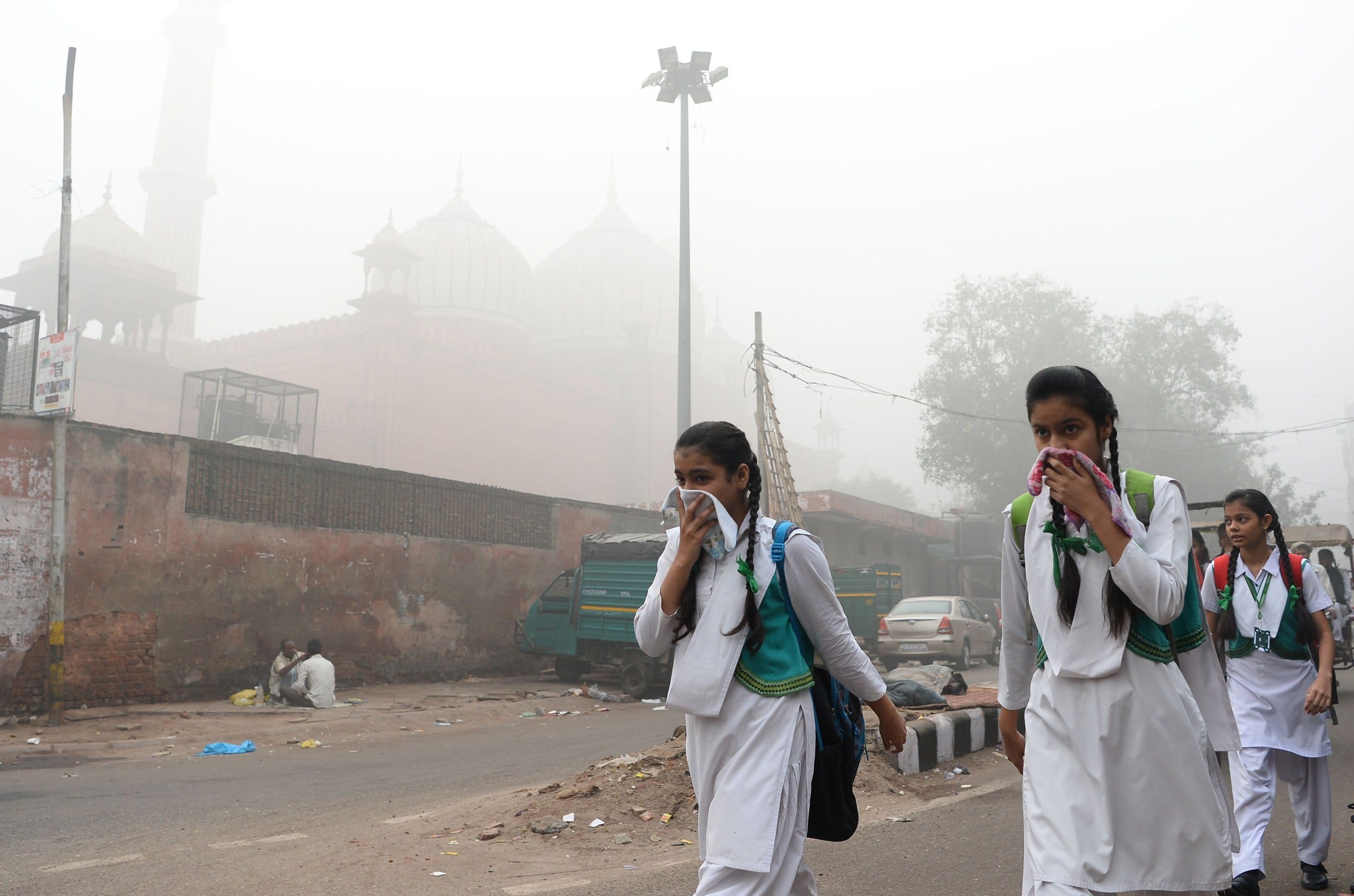
India’s cities today function as large, unplanned social-ecological laboratories. When diffuse risks become normalized, markets offer palliative responses. The rise of gated enclaves, air purifiers, and private healthcare does not reflect declining hazards but instead a way of living among or around them.
Environmental conflicts in India have historically been most potent when anchored in land resources like farmlands submerged for dams during the Narmada Bachao Andolan, communities displaced for expressways and metro construction in Delhi and Mumbai, and adivasi villages cleared for mining in Odisha and Chhattisgarh. These struggles had clear villains, specific sites, and organized movements. Scholars of environmentalism of the poor have shown that such conflicts emerge from threats to livelihood and survival. When conflict gets decoupled from land, things get complicated. Nonetheless, water conflicts have also periodically ignited collective action over access, allocation, or contamination tied to visible sources—the recent incident in Indore is an example.
But ambient hazards like air pollution, vector-borne disease, and stray animals occupy a different register. They are everywhere and nowhere. The harm is diffuse, cumulative, and difficult to dramatize. It is absorbed into routine and normalized as the price of living in the city. Harvard historian of science David Jones has shown that air pollution protests in India actually date back to the British era. Yet they have not, until recently in Delhi, been a decisive electoral issue. Before that—and still, for many policymakers—air pollution was treated as an unfortunate byproduct of development, something that would resolve itself once India grew rich enough. Over dinner a few weeks ago, I asked Telangana Chief Minister Revanth Reddy what he thought about Gita Gopinath’s argument that air pollution posed a greater economic threat than tariffs. He had just finished outlining ambitious plans for developing Hyderabad. His response reflected the tradeoffs many state leaders face: environmental challenges, he acknowledged, would need to be addressed, but infrastructure and growth demanded immediate attention.
Metabolic Cities
I have recently started reading urban metabolism theory, which understands cities as living systems. They take in energy, water, and materials, and produce waste, heat, and pollution. The way forward requires recognizing what Indian cities have become: metabolic systems in collapse. Ambient hazards—air pollution, disease vectors, unmanaged animal populations—are the metabolic byproducts that the urban system can no longer process or expel. They accumulate because the city’s governance structure treats them as separate problems (an air quality issue here, a mosquito problem there, a stray dog issue elsewhere) rather than symptoms of a deeper systemic breakdown.
Public health frameworks have evolved to recognize complexities of governance. The Planetary Health paradigm, emerging from the Rockefeller-Lancet Commission, argues that human health is inseparable from the health of natural systems like ecosystems, water cycles. Urban metabolic health, in this view, is planetary health at city scale. Air pollution cannot be solved by hospitals; it requires transforming energy and transport systems. Dengue cannot be controlled by fogging campaigns; it requires integrating water management, housing policy, and climate adaptation. Indian cities govern as if these domains are separate. They may not be.
But recognizing this intellectually is not enough. The barrier is not so conceptual as it is political. Indian cities have not lost control of ambient hazards; they have surrendered. The fragmentation of authority, the externalization of costs onto households, the growth of private protection markets are the product of governance structures that systematically avoid responsibility. We can achieve an acceleration of positive outcomes if we start devolving real fiscal power to municipalities, create cross-sectoral coordination mechanisms with enforcement capacity, and dismantle the incentives that allow the wealthy to opt out while the poor bear the burden. Until then, the hazards will deepen, and the city’s metabolism will continue to destabilize.